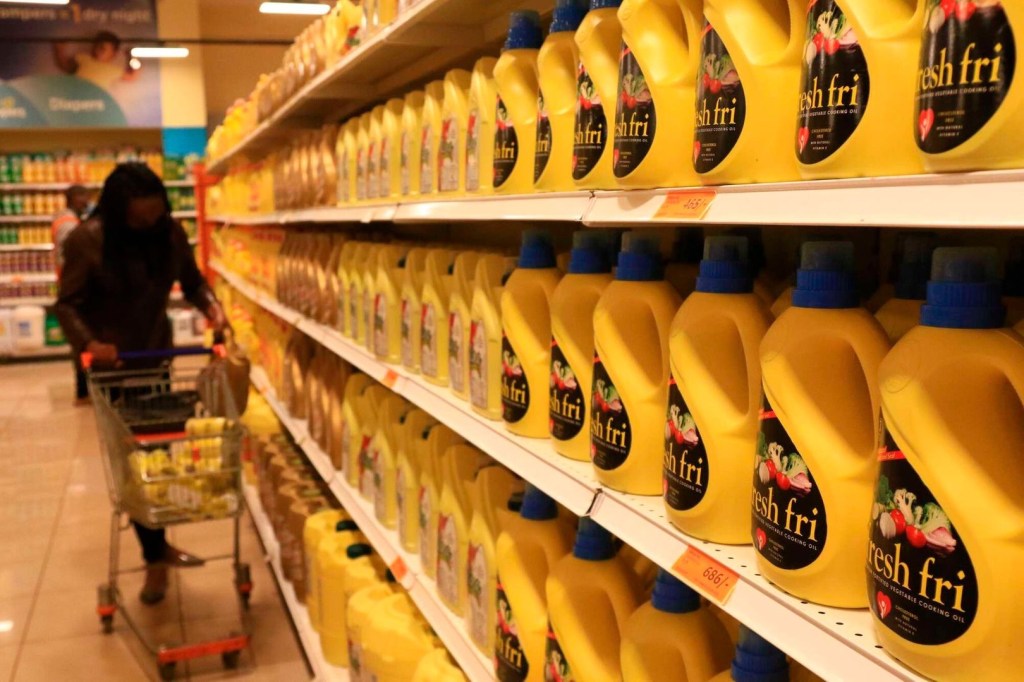
KEBS have admitted to a serious crime of corruption that posses health risks to consumers in Kenya as 44 out of 73 cooking oil shipments that failed Vitamin A test done by KEBS were cleared and released into the market.
Mind boggling questions are; who cleared them? How long have they been in the market? Why have KEBS come out now? Whose shipments were they?
Lest you forget, last year 2023, Edible oil and cooking fat manufacturers Bidco Africa, Pwani Oil, Kapa Oil and Menengai, were ordered to recall some of their products from the shelves for non-compliance with standards.
The Kenya Bureau of Standard (Kebs), while suspending the sale of the 10 brands, did not indicate the extent to which each of the products had breached standard KS EAS 769: KS 2019 Fortified Edible Oils and Fats-Specification.
In a letter to the Retail Traders
Association CEO Wambui Mbarire, Kebs said it took action to protect consumers from using substandard products in the market.
Bidco was ordered to recall Bahari Fry and Gold in Pure Olive Gold oils, with Pwani Oil removing its three oil brands – Fresh Fri, Fresh Fri with Garlic, and Salit.
Kapa Oil Refineries recalled Postman and Rina oils, as well as Tilly cooking fat, with Menengai withdrawing its Top Fri oil.
These are likely to be the same very culprits who are selling the substandard cooking oils to you again. Its advisable to avoid these brands for the sake of your future health matters.
To let the cat out of the bag, the importers will be known when these retailers are cut off.
Why Should Frying Oil Be Tested?
Oil begins to break down and degrade from the moment you start cooking. The fresh, unused frying oil is naturally nonpolar with pure triglycerides – meaning it is still in its natural and pure state. When oil receives heat, oxygen, and moisture from the frying process, the nonpolar compounds transition into polar molecules – producing non-triglyceride by-products. The by-products produced include FFAs (free fatty acids), polymers, alcohols, and cyclic compounds. High levels of by-products negatively impact food quality and can harm customers. Poor oil quality can add higher content of saturated and trans fats, which may increase the risk of heart disease and bad cholesterol. The food might also not cook all the way through, leading to food safety issues and unpleasant flavors.
 KenyanHour